❋
Cashless payment for cashless society
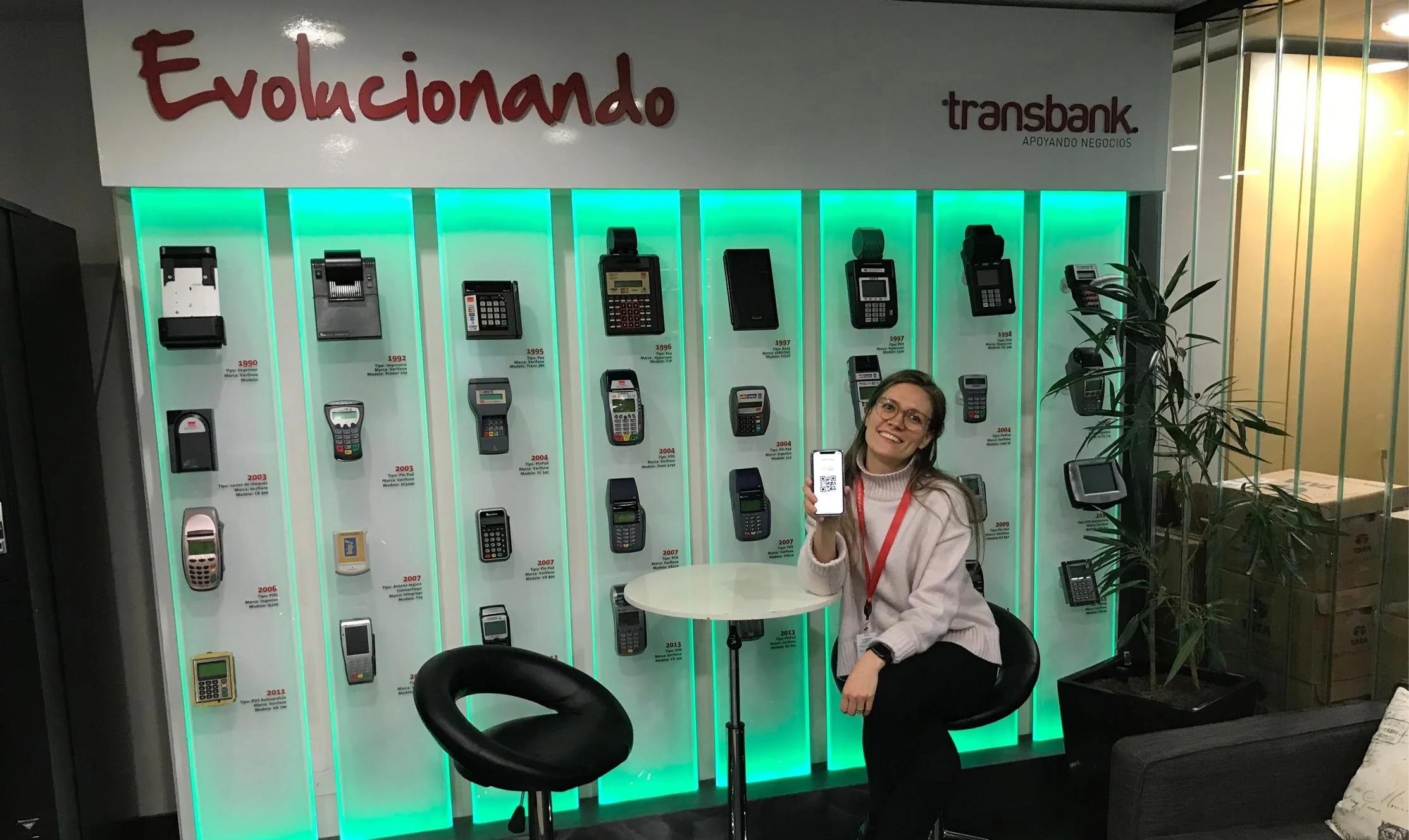
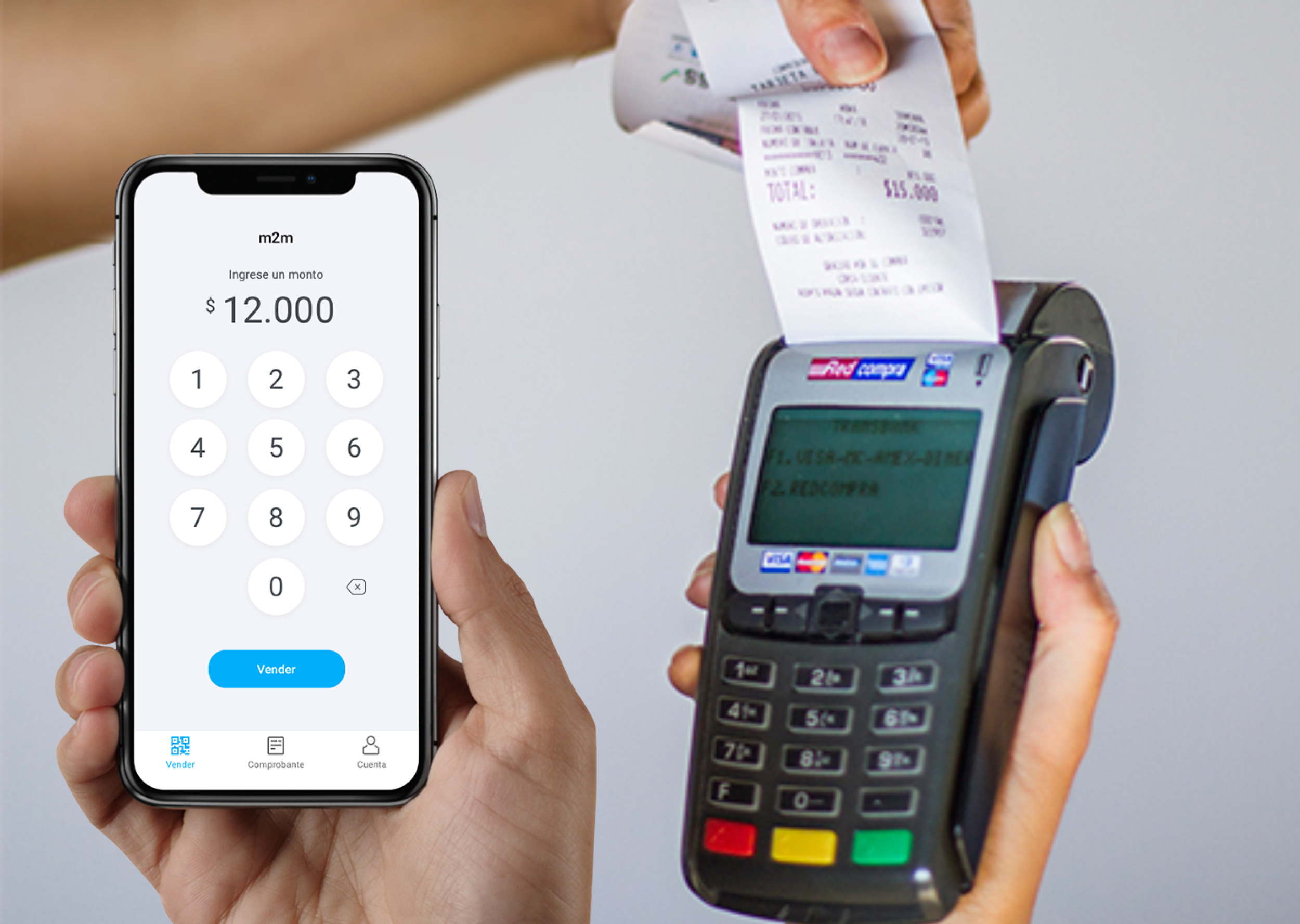
M2M is a cashless mobile application based on QR code technology. The goal of the project is to facilitate transactions between merchants and cardholders exclusively through smartphones.
OVERVIEWUsing AI to transform how the art world explores, connects, and collects
Art Basel, the world’s leading art fair, brings together over 5,000 artists and 1,000 galleries with 300,000 collectors across global events. Yet their legacy digital tools failed to support this scale and ambition. Partnering with Fantasy, they reimagined their platform from the ground up—placing AI at the heart to transform how attendees navigate fairs, discover art, and build meaningful connections. The result is not just a better digital experience, but a new engine for growth and curation in the $65B art world.
STRATEGIC OBJECTIVES 01/ Transform traditional gyms into intelligent, data-driven wellness experiences
02/ Create a seamless ecosystem connecting training, recovery, nutrition, and wellness in one platform
03/ Drive membership growth through seamless 24/7 gym access and a checkout-free APTE Go shopping experience
04/ Design and build a scalable platform for long-term member growth and engagement
GLOBAL IMPACTDesigning payments is designing trust.
The most important lesson from M2M wasn't about QR codes. It was about confidence. The product launched in September 2020 and Transbank reported a 510% increase in app downloads from the first month of launch. Numbers speak itself.
INNOVATIONUnderstanding the user
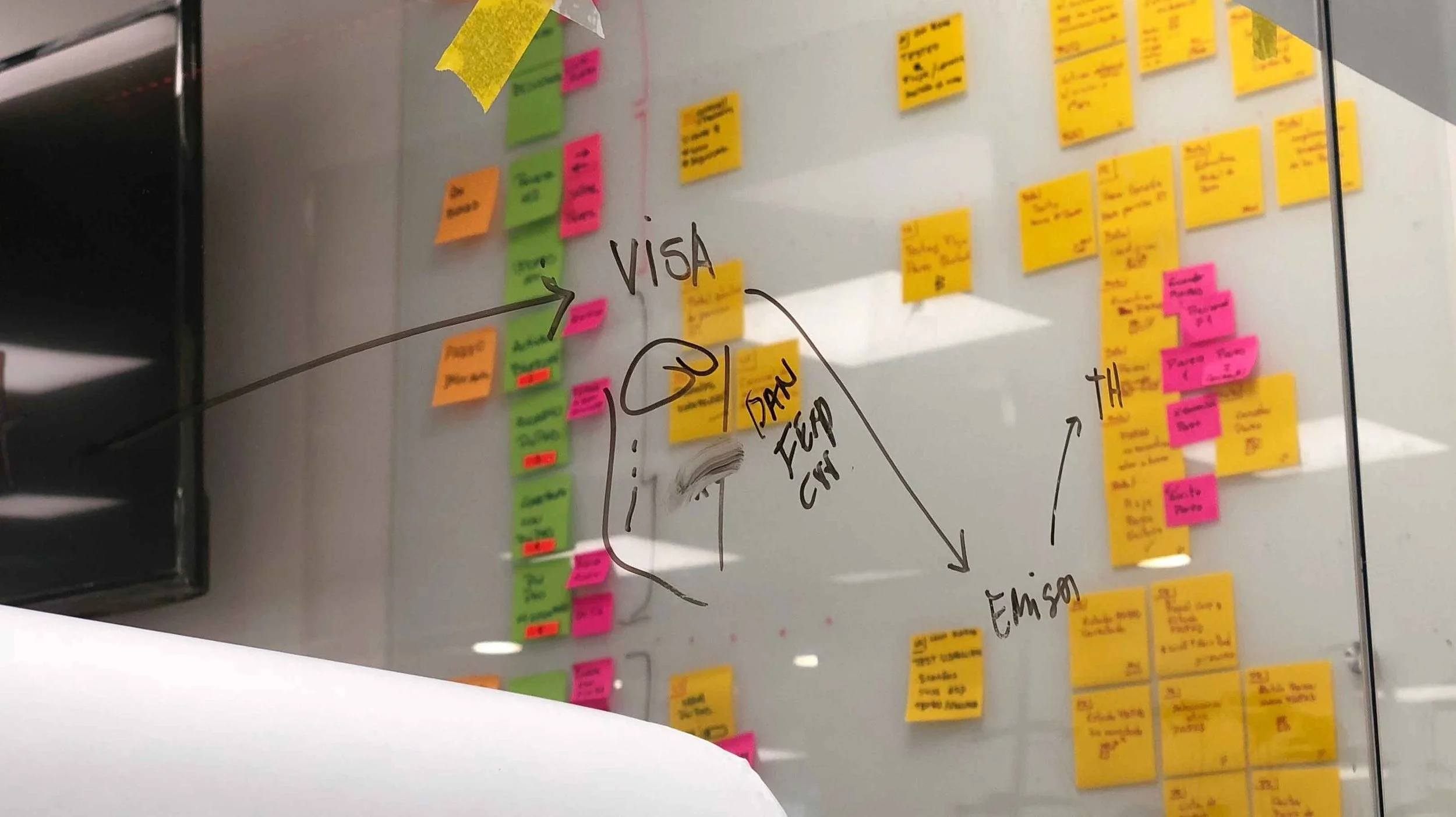
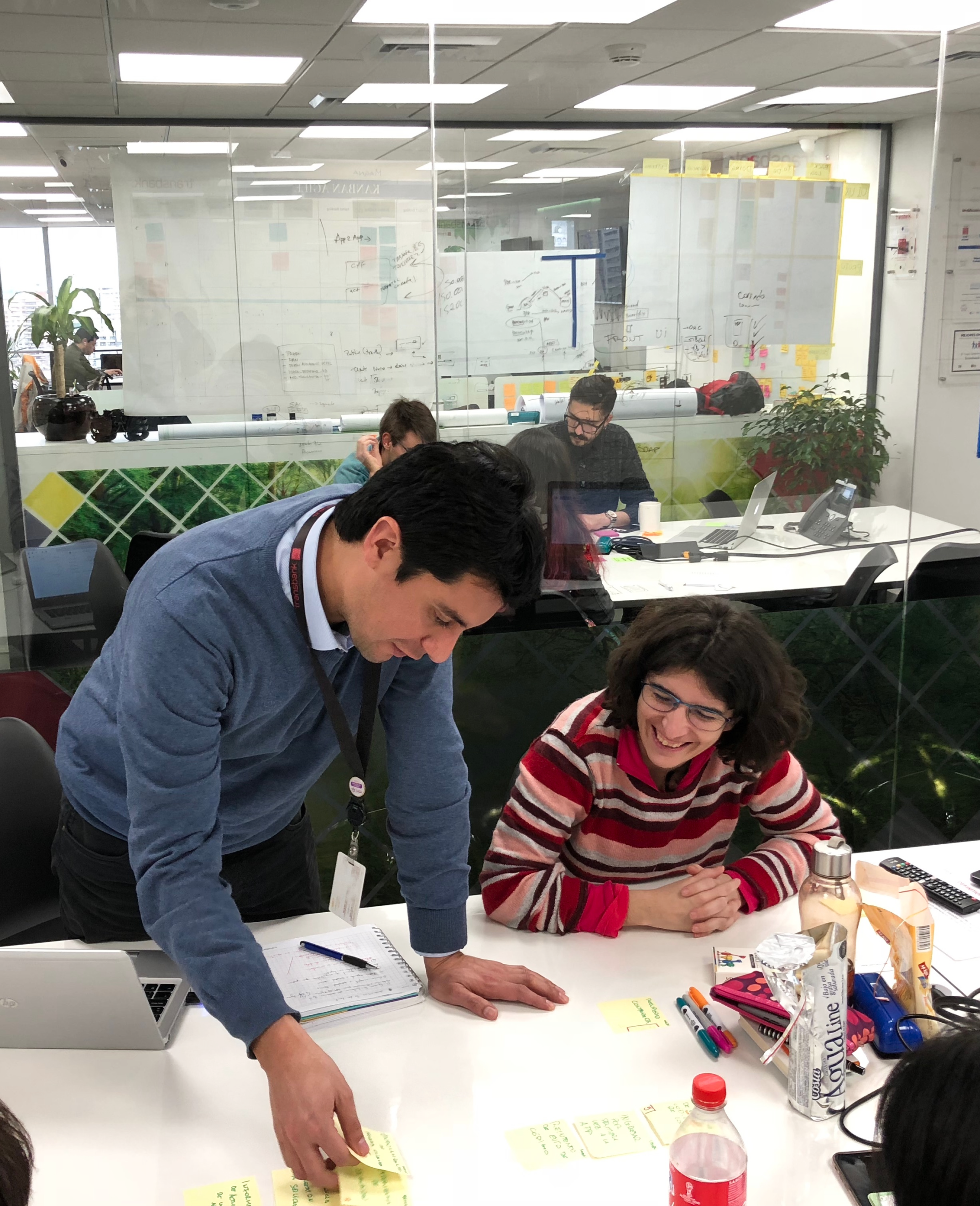
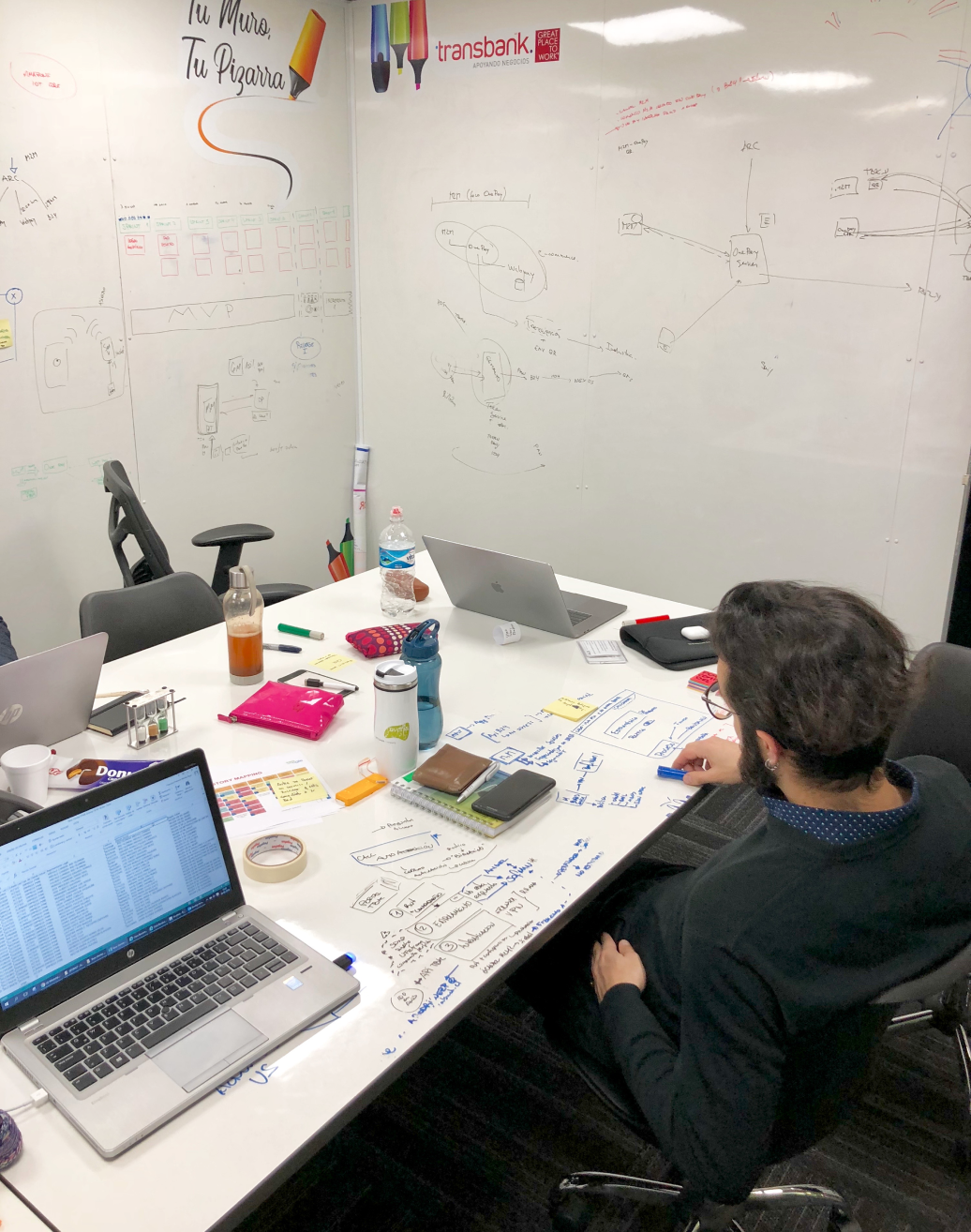
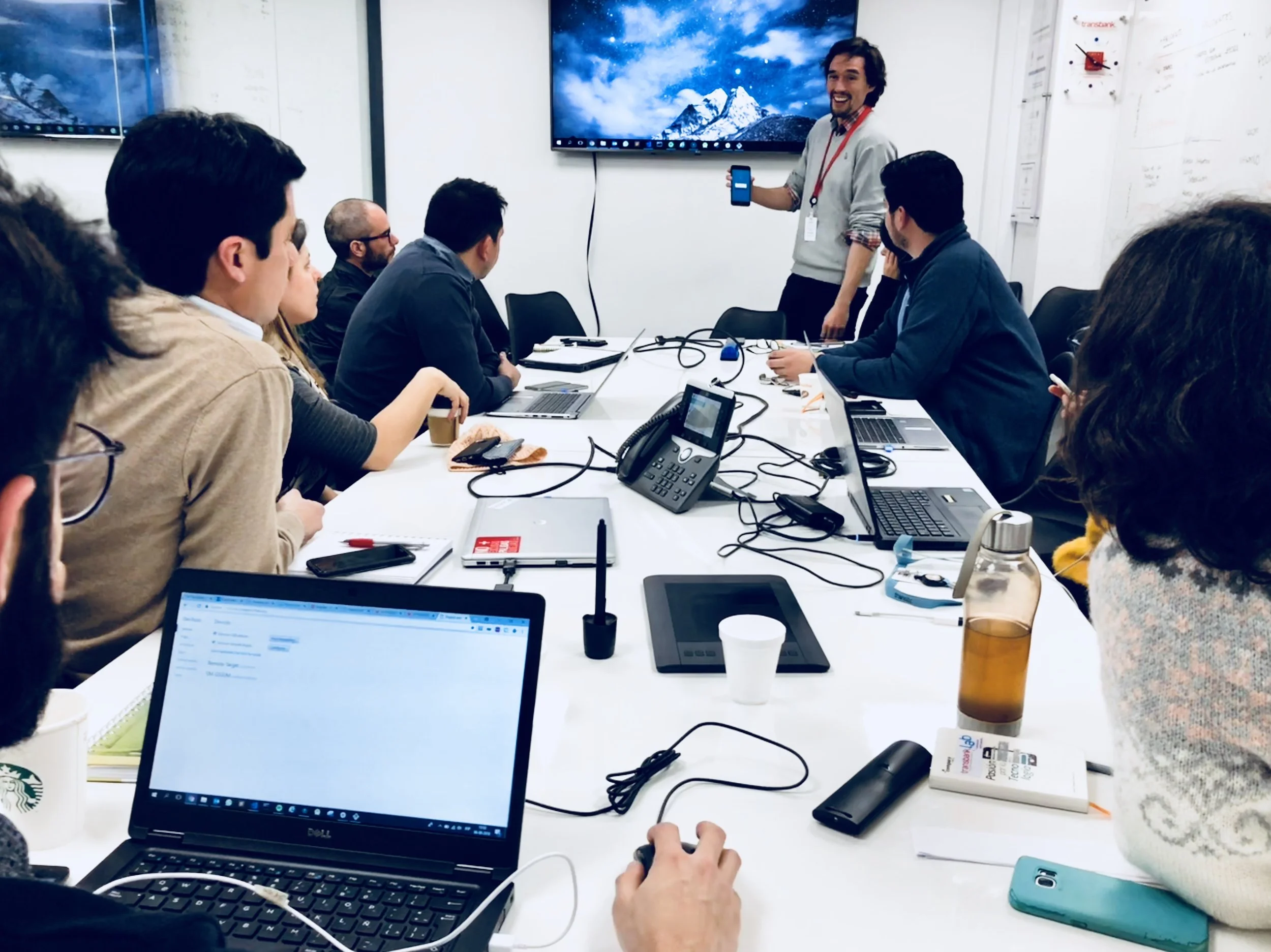
Since this was new product on cashless payment market, I asked to stay a day with Transbank clients, so a team and I could understand how the small businesses work in order to get payments. Also, considering a business goal, get new clients, we had interviews with potential clients. We gave our focus on ‘real’ people, we focus on going out, watching what people do, and talking to them.
Combining observation with interviewing provided a powerful foundation for needfinding and brainstorming. The research confirmed our assumptions
INNOVATIONUnderstanding the user
Since this was new product on cashless payment market, I asked to stay a day with Transbank clients, so a team and I could understand how the small businesses work in order to get payments. Also, considering a business goal, get new clients, we had interviews with potential clients. We gave our focus on ‘real’ people, we focus on going out, watching what people do, and talking to them.
Combining observation with interviewing provided a powerful foundation for needfinding and brainstorming. The research confirmed our assumptions
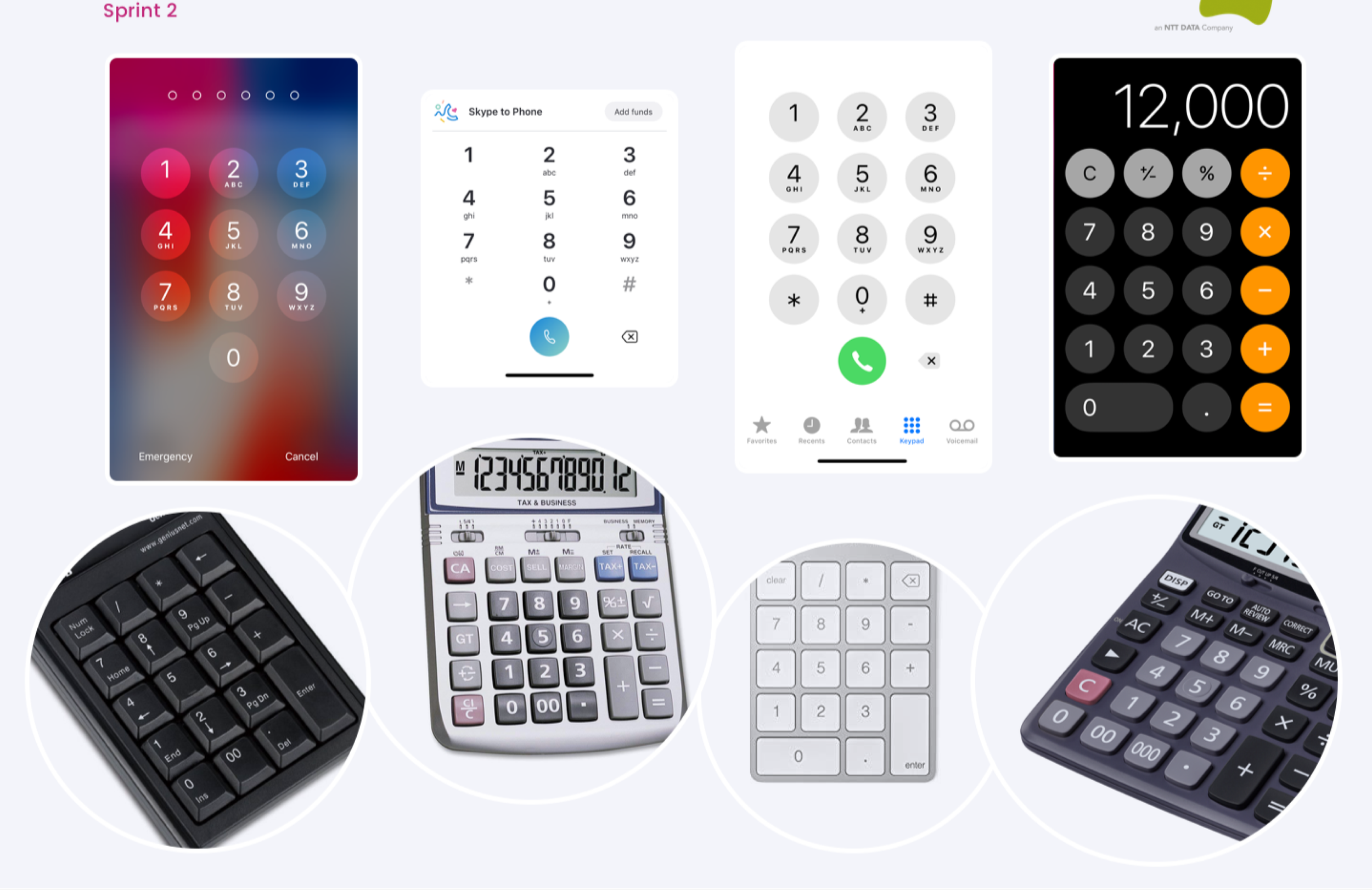
DIGITAL KEYBORDSThe user testing results showed that keying performance was affected by two factors: key size area on the touch screen and key layout. Also, we have studied the effects of them in terms of entry speed and accurate rate.
DIGITAL BILLSWhile technology changes quickly, people change very slowly. Based on the Personas and User testing results we took decision make swith from paper bill to digital bill step by step.
The impact
*
The impact *

GLOBAL IMPACTThe most important lesson from M2M wasn't about QR codes. It was about confidence. The product launched in September 2020 and Transbank reported a 510% increase in app downloads from the first month of launch. Numbers speak itself.
When a user hands over money (even digitally) they need to understand what is happening, what happens next and when it is safe to consider the transaction complete.
The best payment experiences make a technically sophisticated process feel almost invisible.
The technology can be complex. The experience shouldn't be.
Designing payments is designing trust.